


Introduction
Wind energy has become one of the fastest-growing sources of renewable power across the world. With increasing concerns about climate change and rising energy demand, wind turbines are playing a vital role in producing clean and reliable electricity. These powerful machines convert the natural energy of wind into electrical power without producing harmful emissions, making them an environmentally friendly alternative to traditional fossil fuels.
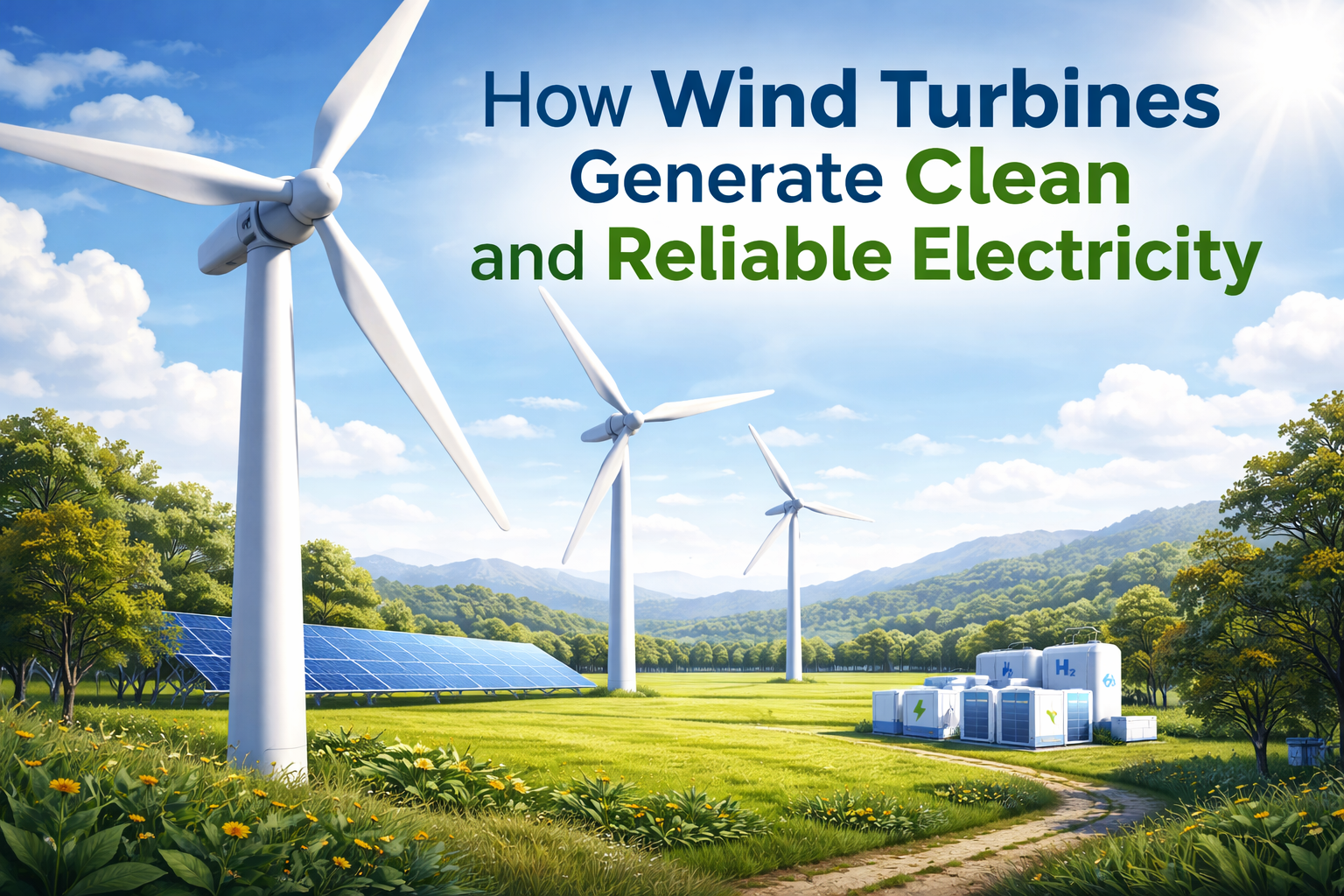
Wind turbines are commonly used in both large-scale wind farms and smaller installations for industries, businesses, and rural areas. When combined with advanced energy storage systems, wind turbines become even more efficient and reliable, ensuring uninterrupted electricity supply even when wind speeds vary.
Understanding how wind turbines work and their benefits can help businesses and communities adopt renewable energy solutions that support long-term sustainability.
What Is a Wind Turbine?
A wind turbine is a device that converts the kinetic energy of moving air into mechanical energy, which is then transformed into electrical energy. Wind turbines are usually installed in areas with strong and consistent wind patterns, such as coastal regions, open plains, and hilltops.
Modern wind turbines are designed to capture as much wind energy as possible. They consist of tall towers and large rotating blades that spin when wind flows across them. The spinning motion generates electricity that can be used immediately or stored for future use.
Wind turbines are available in different sizes and capacities. Small turbines are often used for residential or agricultural purposes, while large turbines are installed in wind farms to supply electricity to entire communities or industrial facilities.
Main Components of a Wind Turbine
Wind turbines are made up of several key components that work together to produce electricity. Understanding these components helps explain how the entire system functions efficiently.
1. Rotor Blades
Rotor blades are the most visible part of a wind turbine. They are designed like airplane wings to capture wind energy effectively. When wind passes over the blades, it creates lift, causing them to rotate.
The size and shape of rotor blades play an important role in determining how much electricity a turbine can generate. Larger blades capture more wind energy and produce higher power output.
2. Hub
The hub is the central part that connects the rotor blades to the main shaft. It ensures that the spinning motion of the blades is transferred smoothly to the turbine’s internal components.
3. Nacelle
The nacelle is the housing located at the top of the turbine tower. It contains important mechanical and electrical components, including:
- Gearbox
- Generator
- Control system
- Brake system
The nacelle protects these components from weather conditions while ensuring efficient operation.
4. Generator
The generator is one of the most critical parts of a wind turbine. It converts mechanical energy from the rotating blades into electrical energy. As the rotor turns, it spins the generator shaft, producing electricity.
5. Tower
The tower supports the entire structure of the wind turbine. Taller towers allow turbines to capture stronger and more consistent winds, increasing electricity generation efficiency.
How Wind Turbines Generate Electricity
The process of generating electricity from wind turbines involves several steps. Each step ensures that wind energy is efficiently converted into usable electrical power.
Step 1: Wind Moves the Blades
When wind flows across the rotor blades, it creates aerodynamic forces that cause the blades to rotate. The faster the wind speed, the faster the blades spin.
Step 2: Rotor Turns the Shaft
The rotating blades are connected to a shaft inside the nacelle. As the blades spin, the shaft rotates, transferring mechanical energy to the gearbox.
Step 3: Gearbox Increases Speed
The gearbox increases the rotational speed of the shaft. This higher speed is necessary to generate electricity efficiently.
Step 4: Generator Produces Electricity
The fast-moving shaft spins the generator, which converts mechanical energy into electrical energy.
Step 5: Electricity Is Sent to the Grid or Storage System
The generated electricity is transmitted through cables to:
- Electrical grids
- Battery storage systems
- Hybrid energy systems
This electricity can then be used to power homes, businesses, and industrial operations.
Advantages of Wind Energy
Wind energy offers several advantages that make it an attractive solution for modern energy needs.
Environmentally Friendly
Wind turbines generate electricity without producing harmful greenhouse gases or pollutants. This makes wind energy one of the cleanest sources of power available today.
Renewable and Sustainable
Wind is a naturally occurring resource that will never run out. Unlike fossil fuels, wind energy can be used continuously without harming natural reserves.
Cost-Effective
After installation, wind turbines require relatively low maintenance and operational costs. Over time, they provide significant savings compared to conventional energy sources.
Suitable for Remote Areas
Wind turbines are particularly useful in remote or rural locations where access to traditional electricity grids may be limited. With energy storage systems, these areas can enjoy reliable power supply.
Wind Turbines and Energy Storage Integration
One of the challenges of wind energy is variability. Wind speeds change throughout the day, affecting electricity production. Energy storage systems solve this problem by storing excess energy generated during high wind periods.
Stored energy can be used when wind speeds decrease, ensuring uninterrupted electricity supply. This combination of wind turbines and storage systems increases reliability and efficiency.
Hybrid systems that combine wind turbines, solar panels, and storage technologies are becoming increasingly popular. These systems provide continuous power by using multiple energy sources.
Applications of Wind Turbines
Wind turbines are used in a wide range of applications across different sectors.
Residential Use
Small wind turbines can be installed in homes to reduce electricity bills and dependence on grid power.
Industrial Use
Industries use large wind turbines to power manufacturing operations, reducing operational costs and carbon emissions.
Agricultural Use
Farmers use wind turbines to power irrigation systems, storage facilities, and equipment.
Utility-Scale Wind Farms
Large wind farms consist of multiple turbines generating electricity for cities and towns. These projects significantly contribute to national energy production.
Challenges and Future Improvements
Although wind turbines offer many benefits, they also face certain challenges.
Weather Dependency
Wind turbines rely on wind availability, which can vary depending on location and weather conditions.
Installation Costs
Initial installation costs can be high, although long-term savings often outweigh these expenses.
Technological Advancements
Researchers are developing more efficient turbine designs, stronger materials, and improved energy storage systems. These advancements are expected to make wind energy more efficient and affordable in the future.
The Future of Wind Energy
The future of wind energy looks promising as governments and industries worldwide invest in renewable energy projects. Offshore wind farms, floating turbines, and advanced hybrid systems are expanding the possibilities of wind energy production.
Modern wind turbines are becoming smarter with digital monitoring systems that improve performance and reduce maintenance costs. These innovations ensure that wind energy continues to grow as a reliable and sustainable energy source.
Conclusion
Wind turbines are transforming the way electricity is generated by providing a clean, renewable, and cost-effective energy solution. Their ability to convert natural wind into electrical power makes them an essential part of modern renewable energy systems.
When combined with energy storage and hybrid energy technologies, wind turbines offer reliable electricity supply even under changing weather conditions. As technology advances and adoption increases, wind energy will continue to play a vital role in building a sustainable and energy-efficient future.





